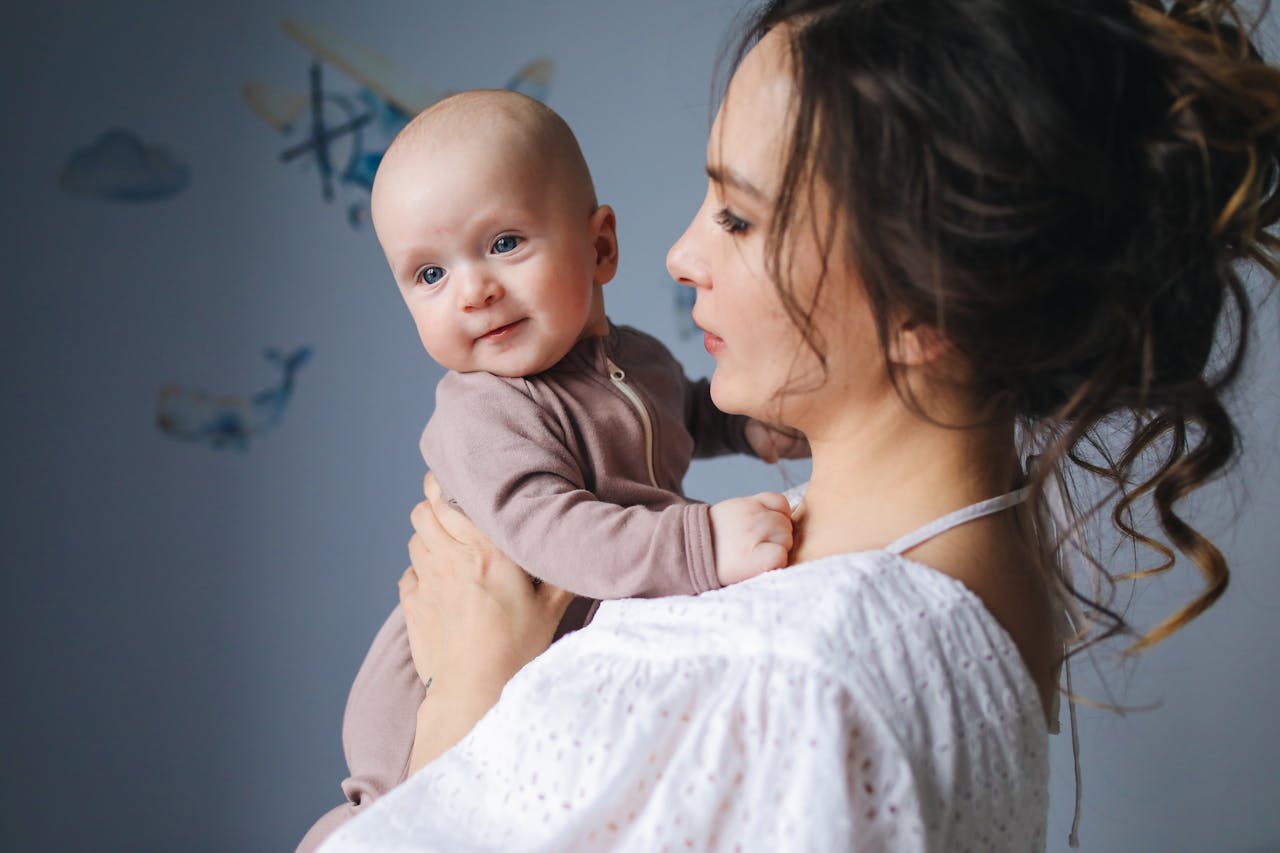
Bringing home a newborn is an exciting, emotional, and sometimes overwhelming experience. One of the biggest challenges new parents face is trying to understand what their baby is trying to tell them—through cries, facial expressions, and body language. Since newborns can’t talk, all their communication comes in the form of behaviour.
Understanding newborn behaviour is key to meeting your baby’s needs, fostering a secure attachment, and easing your transition into parenthood. In this article, we’ll explore the most common behaviours newborns display, what they mean, and how you can respond effectively.
What Is “Normal” Newborn Behaviour?
Newborns (babies from birth to about 2 months) go through a massive adjustment from the womb to the outside world. Their actions may seem random at first, but they’re actually driven by basic needs: hunger, comfort, sleep, and bonding.
Key newborn behaviours include:
- Crying
- Sleeping a lot (but not always at the “right” times)
- Feeding frequently
- Startling easily
- Making jerky movements
- Responding to sounds and light
It’s important to remember that newborn behaviour varies from baby to baby. Some are calm and sleepy, while others are more alert and fussy. That said, most newborns follow certain patterns that help parents decode what’s going on.
1. Crying: Your Baby’s First Language
Crying is a newborn’s main way to communicate. It doesn’t always mean something is wrong. Crying can indicate:
- Hunger
- Tiredness
- Discomfort (wet diaper, gas, temperature)
- Need for closeness
- Overstimulation
Newborns typically cry 1 to 3 hours a day in the first few weeks. This is completely normal, though it can be tough for parents.
How to respond:
- Check for basic needs (diaper, feeding, burping)
- Try skin-to-skin contact
- Use gentle rocking, white noise, or soft singing
- Don’t worry about “spoiling” your newborn—responding to cries builds trust
🍼 Pro Tip: Over time, you’ll start to recognize different types of cries (e.g., hunger cry vs. pain cry). This helps you respond more confidently.
2. Sleeping Patterns: Why Newborns Wake Often
Newborns don’t sleep like adults. Most sleep 14 to 17 hours a day, but in short bursts—usually 2–4 hours at a time. This fragmented sleep can feel exhausting for new parents.
Why do newborns wake up so often?
- They have tiny stomachs and need to feed every 2–3 hours
- Their circadian rhythm isn’t developed yet (they don’t know day from night)
- Sleep cycles are short and light, making them easily disturbed
How to help your baby (and yourself) sleep better:
- Keep night feeds calm and quiet
- Create a day-night difference (dim lights at night, bright during the day)
- Swaddle your baby to reduce startle reflex
- Practice safe sleep: always place baby on their back, in their own crib or bassinet
😴 Learn more about newborn sleep safety from the American Academy of Pediatrics.
3. Feeding Behaviour: Hungry or Just Comforting?
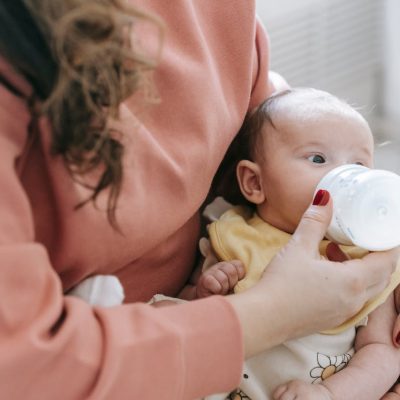
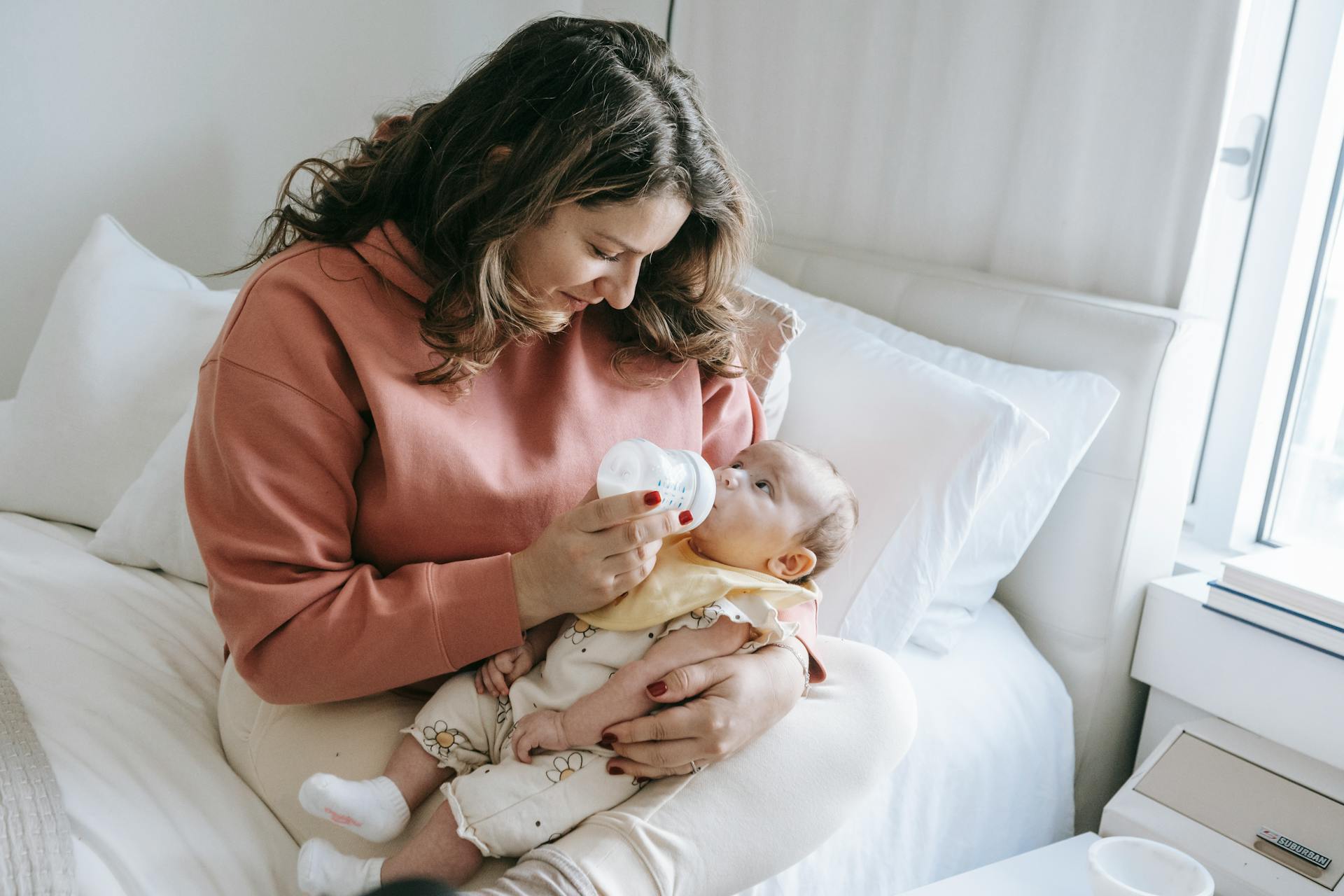
Feeding is a major part of newborn behaviour, whether you breastfeed or bottle-feed. Most newborns eat 8 to 12 times in 24 hours.
Signs your newborn is hungry:
- Rooting (turning head toward touch)
- Sucking on hands or fingers
- Smacking lips
- Crying (a late sign of hunger)
Newborns also suck for comfort, not just nutrition. This is totally normal and helps them feel secure.
🍼 Tip: Responsive feeding (feeding based on cues, not the clock) helps regulate appetite and build a strong bond.
4. Reflexes and Movements: Built-In Survival Tools
Newborns are born with several natural reflexes. These are automatic behaviours that help them survive in the early weeks of life.
Common newborn reflexes include:
- Moro reflex (startle): Throws arms out when startled by a loud sound or sudden movement.
- Rooting reflex: Turns head and opens mouth when cheek is touched.
- Grasp reflex: Closes fingers when palm is touched.
- Stepping reflex: Makes walking movements when held upright.
These reflexes are completely normal and gradually disappear as your baby’s brain matures.
You might notice:
Newborns also make jerky, twitchy movements—this is because their nervous system is still developing. As they grow, their movements become more controlled.
5. Bonding and Eye Contact: The Social Side of Newborns
Although your newborn can’t talk or smile right away, they are already wired to connect with you. This bonding is essential for their emotional and cognitive development.
Signs your baby is bonding with you:
- Staring at your face (especially eyes)
- Becoming calm in your presence
- Following your voice or turning toward it
- Enjoying being held or soothed by you
👶 Research shows that face-to-face interaction with caregivers helps babies develop trust, emotional security, and even early language skills.
6. Startle and Overstimulation: Knowing Baby’s Limits
Newborns have sensitive nervous systems. Too much noise, light, or handling can quickly overwhelm them.
Signs of overstimulation:
- Turning head away
- Fussing or crying
- Arching back or stiffening limbs
- Yawning or sneezing
When this happens, give your baby a break. Take them to a quiet room, dim the lights, or swaddle them to help them feel safe and calm.
🧘 Remember: Newborns need downtime as much as they need stimulation. Gentle rhythms and quiet bonding are best in the early weeks.
7. Facial Expressions and Sounds
Even though they don’t speak, babies use a range of facial expressions and vocalizations to communicate.
You might notice:
- Grimacing or gas-like expressions (often due to immature digestion)
- “Sleep smiles” (reflexes, not yet social smiles)
- Little coos, grunts, and sighs
- Hiccups or sneezes—very common and usually not a sign of illness
These little cues are part of how babies learn to interact. Responding to them with eye contact, gentle words, or soft touch teaches your baby that communication works.
When to Be Concerned About Newborn Behaviour
While most newborn behaviours are completely normal, it’s important to know when to seek help.
Contact your pediatrician if:
- Your baby isn’t waking for feeds or seems unusually sleepy
- You notice difficulty breathing or a change in skin color
- There’s little or no weight gain
- Baby seems very stiff or very floppy
- There’s no response to sound or movement by 1 month
🩺 Trust your instincts. If something doesn’t feel right, it’s always okay to ask a doctor or nurse.
Supporting Healthy Newborn Behaviour: What Parents Can Do
- Hold your baby often. Skin-to-skin contact regulates their heart rate, temperature, and stress.
- Talk, sing, and read to your baby. Even newborns benefit from hearing your voice.
- Follow your baby’s lead. Look for cues to when they’re hungry, tired, or need a break.
- Build a calm routine. Babies thrive on predictability—even if they don’t follow the schedule exactly.
- Ask for support. Don’t try to do it all alone. Family, friends, and healthcare providers are valuable resources.
Final Thoughts
Understanding newborn behaviour helps you feel more confident and connected in those intense first weeks of parenthood. Every baby is unique, but with patience, observation, and love, you’ll learn your baby’s cues—and how to respond to them in a way that nurtures their growth.
You don’t need to be perfect. Just present, responsive, and loving. That’s what matters most.
Quick Summary: Common Newborn Behaviours
| Behaviour | What It Means | How to Respond |
|---|---|---|
| Crying | Hunger, discomfort, tiredness | Feed, change, soothe, cuddle |
| Sleeping often | Normal sleep pattern | Let baby sleep on back, wake to feed |
| Feeding frequently | Growth and comfort needs | Feed on demand, watch hunger cues |
| Reflexes & movement | Normal brain and body development | Swaddle if needed, give tummy time |
| Startling | Sensitive nervous system | Reduce noise, swaddle, hold baby |
| Eye contact | Bonding and emotional connection | Talk and smile back, make time to connect |
Helpful Resources
- HealthyChildren.org – Newborn Care
- La Leche League International – Breastfeeding Support
- NHS – Your Baby’s Behaviour – (UK-based, practical guidance for new parents)